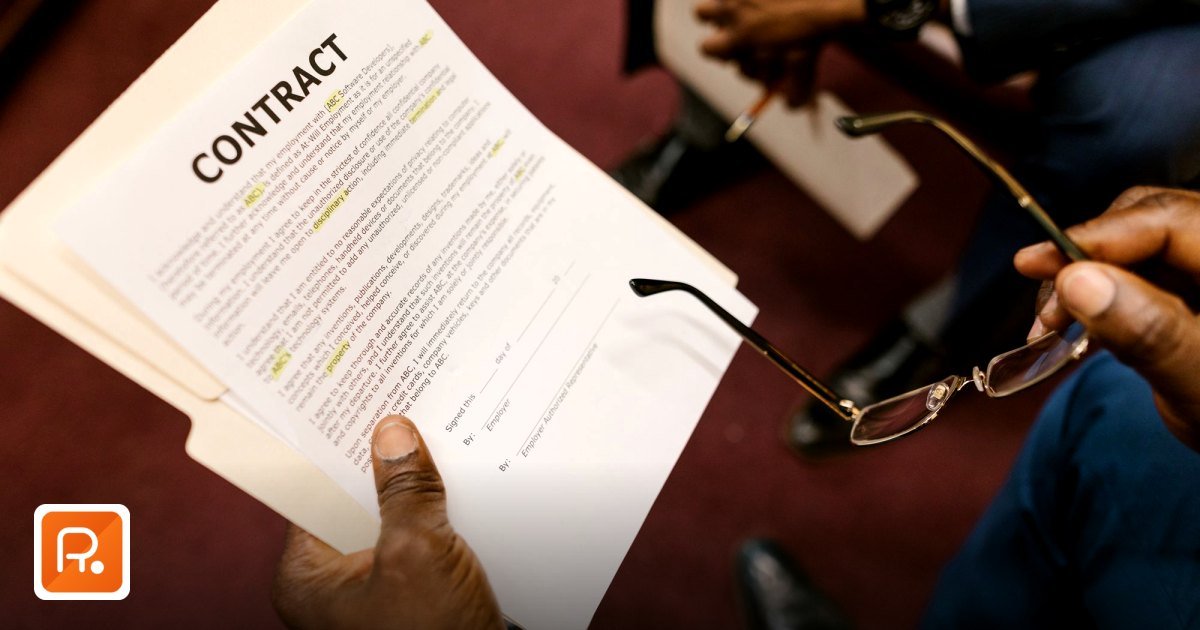
A glossy brochure and a competitive quote tell you very little about whether a supplier can legally sell and deliver what you need. For procurement managers and business owners in the UAE, the trade licence is the first document that separates a registered business from an unverified one. This guide explains how to verify a supplier trade licence in the UAE, what to look for on the document, how to confirm it with the issuing authority, and which warning signs deserve a pause before you place a B2B order.
Why does verifying a supplier's trade licence matter before you order?
When you place a bulk order, you are extending trust: you may pay a deposit, commit project timelines to the delivery date, and depend on after-sales support. A trade licence is the legal permission for a company to operate in the UAE, and it records who the company is, where it is registered and which activities it may carry out. Verifying it is a basic due diligence step, in the same way that you would check an ID before signing a contract.
The risks of skipping this step are practical rather than theoretical. A supplier operating outside its licensed activity may not be able to issue valid tax invoices for the goods in question, may be unable to import certain categories of product, or may disappear when a problem arises. If the licence has expired, the company may be operating unlawfully, which can complicate warranty claims, payment recovery and your own audit trail.
- Protects your deposit and payment terms by confirming you are dealing with a real, registered entity.
- Reduces compliance risk for your own company, especially if you buy for government, enterprise or project clients who ask for supplier due diligence.
- Gives you documents for your file if the order is ever disputed or audited.
Verification does not need to be slow. Once you have a repeatable routine, it can sit alongside the quotation review and be completed before you issue a purchase order. Platforms that run a managed RFQ workflow, such as IbaadU, build supplier verification into the process so buyers compare quotes from suppliers who have already been checked, but you should still understand what good verification looks like yourself.
What does a UAE trade licence actually tell you?
A licence identifies the legal entity and its permitted activities
A UAE trade licence is issued either by the economic department of an emirate for mainland companies, or by a free zone authority for companies registered in a free zone. Although the layout differs from one authority to another, most licences show the same core information: the company's legal name and any registered trade name, the licence number, the licence type, the licensed activities, the legal form, the registered address, the issue date and the expiry date. Some also list the owners or partners, or a registration number that can be used for verification.
Mainland, free zone and industrial licences differ in what they allow
The type of licence changes what the supplier can legally do. The table below summarises the general differences buyers should understand. It is a guide to typical arrangements, and the exact permissions depend on the authority and the licence conditions, so confirm specifics with the supplier and the issuing body.
| Licence type | Issued by | Typical position for a buyer |
|---|---|---|
| Mainland commercial licence | Economic department of the emirate | Generally able to trade with customers across the UAE, subject to the licensed activity and any extra approvals for regulated goods. |
| Free zone licence | Free zone authority | Often focused on operations within the zone and on international trade. Supplying the local market may involve a distributor or additional arrangements, so ask how invoicing and delivery will work. |
| Industrial licence | Economic department or industrial authority | For manufacturers. Check that the licence covers manufacturing of the product you want, not just trading. |
| Professional or service licence | Economic department or free zone authority | Covers services, not the sale of goods. A service licence alone is a flag if the supplier is quoting for physical products. |
The licensed activity matters as much as the licence itself
Many buyers confirm that a licence exists but never read the activity line. A company licensed for general trading in one category may not be licensed to supply fire-safety equipment, electrical components or personal protective equipment, which can require specific approvals or product certification. The activity description on the licence should reasonably correspond to what you are buying.
How do you verify a supplier trade licence in the UAE step by step?
Step one: ask for the documents upfront and in a readable form
Before you shortlist a supplier, request a clear copy of the current trade licence, the tax registration certificate if the company is VAT registered, and the signed company profile or letterhead details. Ask for the full document, not a cropped screenshot, so that you can see every field, including the expiry date and the licensing authority.
Step two: read the document for internal consistency
Compare the legal name on the licence with the name on the quotation, the invoice template and the bank account details. Compare the address and contact details. If the quotation is issued by a trading name that does not appear on the licence, ask for an explanation. Check the expiry date, the legal form and the licensed activity. Then check the licence activities against the goods or services you intend to buy, line by line, rather than assuming a broad description covers everything.
Step three: confirm the licence with the issuing authority
The most reliable way to verify a licence is to confirm the licence with the issuing authority. Most economic departments and free zone authorities offer an online search or verification tool, and some provide a QR code or reference number on the licence that can be used to check authenticity. If you cannot find an online tool, contact the authority directly through its official channels. Use contact details from the authority's own website, not from the supplier's message. The verification should confirm the company name, the licence status, the activities and the validity period.
Step four: verify the tax registration if it applies
If the supplier charges VAT, ask for its tax registration number and check it through the Federal Tax Authority's official verification service. Invoices that show a tax number which cannot be verified should be queried before you pay. For free zone suppliers, ask how VAT will be treated on the transaction, as treatment can depend on the type of goods and the location of delivery. Your own finance team or tax adviser should confirm the correct treatment.
Step five: record the check
Save the licence copy, the verification result and the date you checked in your supplier file. If your procurement policy has an approved supplier list, add the licence expiry date as a review trigger so that the file does not go stale. A dated record also helps if a client, auditor or insurer later asks how you selected the supplier.
Which other documents and checks should accompany the licence?
Company identity and authority to sign
The licence shows that a company exists, but not that the person you are dealing with can bind it. For larger orders, ask who is authorised to sign contracts and issue quotations. A salesperson can quote, but a contract or a bank guarantee may need to be signed by an owner, manager or authorised signatory. Ask for a copy of the authorised signatory's details where appropriate and check them against the licence and the contract.
Bank details and payment safety
Match the beneficiary name on the bank account to the legal name on the licence. A request to pay into a personal account, or into an account in a different company's name, is a significant warning sign. Be cautious about last-minute changes to bank details sent by email or messaging app, which is a common fraud pattern. Confirm changes by calling a known number, not one supplied in the same message.
Product certification, approvals and import status
Some product categories need specific approvals before they can be sold or installed in the UAE, such as fire and life-safety products, electrical items, building materials used in regulated projects, and personal protective equipment. Ask the supplier which standards and approvals apply to the products and request copies of the relevant certificates. Check that the certificate refers to the exact product or model you are buying, and that it is current. Where goods are imported, ask who acts as importer of record and how customs clearance will be handled.
References, track record and site capability
A licence tells you a company is registered, not that it is good at delivering. Ask for references from similar buyers, examples of comparable supply or projects, and details of warehouse, stock and delivery capability. A short call with a reference, or a visit to a warehouse or showroom for larger orders, often reveals more than a document does.
Free zone suppliers need a clear view of how the goods will reach you
Free zone companies can be legitimate and reliable suppliers, but you should understand the commercial flow. Ask which entity will invoice you, from which location the goods will ship, who handles customs and delivery, and how VAT will be applied. If the arrangement involves a separate mainland distributor or logistics company, verify that entity as well.
Overseas suppliers need an equivalent check in their home jurisdiction
If you buy directly from a foreign manufacturer or trader, the UAE licence does not apply. Ask for the equivalent company registration in the supplier's country, confirm it through the relevant registry where possible, and use the same consistency checks on names, addresses and bank details. Agree the commercial terms, such as Incoterms, in writing, and confirm certification and customs requirements before shipment.
Resellers and agents should state who stands behind the product
Distributors and agents are common in construction, industrial and office categories. That is fine, provided the reseller can show authorisation from the manufacturer where the brand matters, and can explain warranty handling. Ask for an authorisation letter or distribution agreement summary for branded products, and check it with the brand owner if the value or risk justifies it.
What red flags should make you pause the order?
Documents that do not agree with each other
Mismatched names, addresses or activities across the licence, quotation, invoice and bank details are the most common warning sign. They may have an innocent explanation, such as a recent amendment or a group structure, but they need a written explanation before you proceed.
Expired, blurred or heavily edited documents
An expired licence is a clear stop signal until a renewed copy has been provided and verified. Be cautious about documents that are blurred, cropped, watermarked in a way that hides key fields, or sent only as images. Ask for a clean copy and confirm it with the authority.
Pressure and unusual payment terms
Be wary of suppliers who press you to pay quickly, demand full payment in advance for a first order, or refuse to put terms in writing. Reasonable deposits are common in trade, but the amount and structure should be documented in the quotation or purchase order and make sense for the type of goods.
A licence that does not fit the product or the project
If a services licence is offered for a goods supply, or the licensed activity bears no relation to the product, ask why. Sometimes a supplier is acting as an agent for another company. In that case, understand who is the actual seller, who issues the invoice, and who is responsible for warranty and returns.
Reluctance to be verified
Established suppliers are used to due diligence and usually respond quickly. A supplier who dodges requests for documents, refuses a reference call or insists you skip checks because the offer expires soon is giving you information. Slow down, and compare their behaviour with the other suppliers who quoted for the same requirement.
How do you build licence checks into your RFQ and purchasing process?
Make verification a standard step in your procurement workflow
The simplest way to improve supplier quality is to make the check routine. When you request a quotation in writing, include the supplier documents you need in the RFQ itself: the current trade licence, tax registration certificate where applicable, product certificates, references and the authorised signatory details. Suppliers who respond promptly and completely are usually easier to work with. Suppliers who avoid the request tell you something too.
Use a consistent checklist
A checklist reduces the chance that a busy team skips a step. The following can be adapted to your own policy and risk level.
- Current trade licence received and legible, with expiry date after the expected delivery and warranty period.
- Company name, address and licensed activity match the quotation and the goods being supplied.
- Licence confirmed with the issuing authority through its official channel, and result saved.
- Tax registration number verified where VAT applies.
- Bank account name matches the legal name on the licence.
- Product certificates and approvals received for regulated categories.
- At least one relevant reference contacted for larger or first-time orders.
- Payment, delivery and warranty terms written into the purchase order.
Scale the depth of checking to the order
A small repeat purchase from a long-standing supplier does not need the same scrutiny as a first large project order. As a rule of thumb, increase the level of verification when the order is large, when the product is regulated or safety-critical, when delivery is long-dated, or when you are paying a significant deposit before receiving anything. Record the reason for the level chosen so your decisions are consistent.
Keep verification current
Licences are renewed periodically, and companies change their names, owners and activities. Add licence expiry dates to your supplier register and re-verify at renewal, when a supplier changes details, and before a large new order. For framework agreements, require the supplier to notify you of changes and to provide the renewed licence promptly.
What is the practical verdict for buyers?
Verifying a supplier's trade licence is not complicated, but it must be done in order and with the right source. Ask for the licence, read it against the quotation, confirm it with the issuing authority, check tax registration where it applies, and make sure the activity and approvals fit the product. Then look beyond the licence to references, payment details and delivery capability, because a valid licence is a starting point and not a guarantee of performance.
Making these steps part of every RFQ saves time in the long run, since good suppliers will provide documents quickly and weak ones tend to reveal themselves early. If you would rather compare quotes from suppliers who have already been through a verification process, you can post your requirement once on IbaadU and review competing quotes in one place, while still applying your own checks for high-value or regulated purchases.
Frequently Asked Questions
Can I verify a UAE supplier's trade licence online?
In most cases, yes. The licensing authority that issued the licence, whether an emirate's economic department or a free zone authority, usually offers an online verification service or will confirm details on request. Always use the authority's official website rather than a link supplied by the supplier.
What is the difference between a mainland and a free zone trade licence?
A mainland licence is issued by the economic department of an emirate and generally allows trading across the UAE. A free zone licence is issued by a free zone authority and is tied to that zone, so selling into the local market may need a distributor or extra permissions. Ask the supplier which structure they use and how it fits your order.
Is a valid trade licence enough to trust a supplier?
No. A valid licence shows that the company is registered and permitted to carry out certain activities. You should also check that the activity matches what you are buying, review references, confirm tax registration, and assess delivery and after-sales capability.
What should I do if the licence details do not match the quotation?
Pause the order and ask the supplier to explain in writing. Differences in company name, address or activity can be innocent, such as a recent amendment, but they can also signal a trading name or a different entity. Resolve the mismatch before any payment.
How often should I re-check a supplier's licence?
Check before the first order and again at every licence renewal date, and whenever the supplier changes name, ownership or address. For long-running supply contracts, ask for an updated copy each year.