GCC procurement teams sourcing industrial chemicals and lubricants in 2026 should anchor their supplier search in three UAE zones: Jebel Ali Free Zone (JAFZA), Dubai Industrial City, and Sharjah's Sajaa industrial area. These hubs host verified ISO-certified distributors operating at scale, with the GCC specialty chemicals market already at USD 28.6 billion this year and on track to exceed USD 50 billion by 2035.
What makes the UAE different from sourcing directly out of India or China is the combination of bonded warehousing, zero import duties within free zones, and proximity to GCC end markets. A procurement manager in Riyadh or Doha can receive consolidated chemical shipments from JAFZA in 24–48 hours. That logistics math is hard to beat, especially when you factor in the certification overhead of dealing with manufacturers directly.
This guide covers the chemical categories in highest demand across the GCC, who the principal wholesale distributors are, how lubricant supply works, where raw materials originate, and what certifications to insist on before signing a supply agreement.
The UAE chemical logistics market was valued at USD 10.63 billion in 2024 and is projected to grow to USD 14.26 billion by 2029, a CAGR of 6% that reflects both infrastructure investment and the country's strategic position as a re-export node between Asia, Europe, and sub-Saharan Africa. Three factors explain why so much GCC chemical procurement flows through the UAE rather than direct from source.
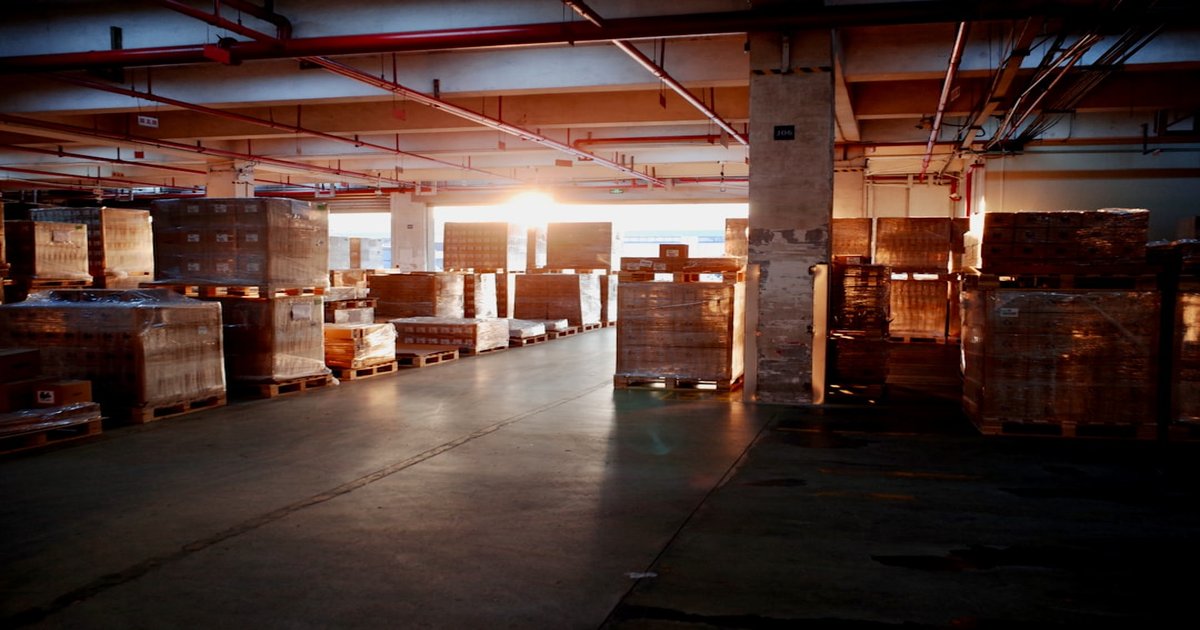
First, JAFZA operates under a 0% import duty framework and processed over USD 190 billion in trade in 2024. Chemical companies import large volumes from India, China, and Europe, warehouse them at JAFZA, and redistribute across the GCC with fast lead times. Hazchem Chemicals LLC, for example, maintains a dedicated chemical storage facility within JAFZA purpose-built for handling classified substances under UAE Civil Defence standards.
Second, Dubai Industrial City and Sharjah's Sajaa Industrial Area host domestic manufacturers — companies blending, formulating, or repackaging chemicals locally. This adds a value-added layer that makes the UAE attractive for customers who need product customisation or smaller lot sizes rather than full ISO-tank shipments.
Third, ICAD (Industrial City of Abu Dhabi) integrates with ADNOC's upstream petrochemical production. For buyers needing base chemicals — glycols, solvents, or industrial gases — proximity to Abu Dhabi's refinery output is a material cost advantage. The ADNOC ICV (In-Country Value) program has actively channelled industrial procurement toward local blenders, which means more competitive domestic sourcing options now than five years ago.
For the GCC's wider industrial build-out — NEOM in Saudi Arabia, Qatar's infrastructure maintenance phase, Kuwait's Silk City — the UAE's chemical distribution network functions as a reliable regional spine. The GCC specialty chemicals market, which stood at USD 28.6 billion in 2026, is projected to reach USD 49.99 billion by 2035 at a CAGR of 6.4%, according to MarkWide Research. A meaningful share of that volume will continue to transit through UAE distribution.
The construction sector is the single largest end-use segment for industrial chemicals in the GCC, consuming concrete admixtures, waterproofing compounds, anti-corrosion coatings, epoxy grouts, and curing agents at scale. NEOM alone is driving procurement volumes that have strained supply chains in specialty concrete additives. Procurement teams on large-scale projects in Saudi Arabia and the UAE are increasingly placing blanket orders — typically covering 12 months — with UAE-based distributors rather than sourcing project by project, because spot purchasing on large infrastructure projects carries significant schedule risk.
The Middle East construction chemicals market is projected to expand at a CAGR of around 7% through 2031, per Mordor Intelligence. This is the one segment where demand visibility is clearest, because project timelines are publicly known and chemical consumption is tied to physical construction progress.
This category covers water treatment chemicals, oilfield chemicals, cooling tower biocides, boiler chemicals, and industrial process aids. Servochem LLC operates as the largest stockist of commodity chemicals and petrochemicals in MENA — a notable claim for a market this fragmented — and focuses heavily on this segment. Procurement in process chemicals is specification-driven: buyers select suppliers based on technical data sheets, compatibility with existing plant chemistry, and consistency of supply rather than price alone.
Al Khowahir Chemicals, which has been operating out of Sharjah's Sajaa area for over 40 years, covers process chemicals alongside paint and pharma-grade raw materials, and has developed supply relationships across the Gulf that a newer entrant would struggle to replicate quickly.
Acetone, IPA (isopropyl alcohol), MEK, toluene, and xylene are high-turnover items across manufacturing, electronics assembly, and maintenance operations throughout the GCC. Chemway Chemicals and H.A.K Industrial Chemicals both operate UAE distribution networks for this category. The institutional & industrial cleaners sub-segment is forecast to grow at a CAGR of 5.1% through 2030, driven by hygiene standards in healthcare, hospitality, and food processing — a direct result of GCC governments tightening facility certification requirements post-pandemic.
The UAE lubricants market reached 172.58 million litres in 2025 and is expected to grow to 212.64 million litres by 2031 at a CAGR of 3.54% (Mordor Intelligence). The demand is anchored in the transport fleet, heavy equipment, manufacturing, and marine sectors. Several structural changes are shaping 2026 procurement specifically.
Euro-5 equivalent regulations that came into effect in early 2026 are pushing fleet operators toward low-SAPS synthetic lubricants, which carry higher per-litre costs but longer drain intervals. This is creating a bifurcated market: price-sensitive SME operators moving toward API-compliant independents, and larger fleet and plant operators locking in OEM-approved synthetic contracts with the multinationals.
The main multinational lubricant distributors operating in the UAE include ADNOC Distribution, Shell Lubricants (via Emirates National Oil Company, ENOC), TotalEnergies, and ExxonMobil. These names dominate OEM-tied contracts and large industrial accounts. For procurement teams with flexibility on brand, independent UAE blenders offer commercially interesting alternatives:
Dana Lubricants produces API-compliant automotive and industrial lubricants across the full SAE viscosity range from its UAE manufacturing facility, typically at 15–20% below multinational pricing on comparable specifications. Solar Lubricants, based in Ajman Freezone, handles bulk orders with scheduled IBC-tote and drum delivery to site. Gulf Oil Refinery Corporation FZC (Ajman Freezone) focuses on high-volume industrial contracts and maintains the refinery integration that gives it feedstock cost visibility that a pure blender cannot match. Premier Lubricants Factory LLC in Umm Al Quwain is another established local producer handling industrial volumes.
For procurement managers running regular supply, most UAE lubricant suppliers will structure blanket order arrangements with scheduled delivery, which eliminates large on-site storage requirements — particularly relevant for sites operating under fire safety or hazmat storage restrictions.
See also: UAE's USD 49 Billion Industrial Procurement Opportunity in 2026 for context on the wider industrial supply ecosystem driving lubricant demand.
The chemical distribution landscape in the UAE is deliberately fragmented — buyers benefit from multiple credentialled suppliers rather than single-source dependency for anything classified as hazardous. That said, a handful of distributors stand out for breadth of product, regulatory compliance, and regional reach.
Hazchem Chemicals LLC operates a purpose-built chemical storage facility in JAFZA and is one of the few UAE distributors with dedicated infrastructure for classified hazardous materials. For buyers sourcing anything in the restricted categories — oxidisers, corrosives, flammables — working with a JAFZA-based hazmat specialist reduces the compliance burden significantly.
Servochem LLC claims the position of MENA's largest stockist of commodity chemicals and petrochemicals. For procurement teams needing consistent volume of base chemicals — caustic soda, sulfuric acid, solvents, glycols — a stockist of this scale matters because they absorb supply fluctuations that a smaller trader cannot.
Al Khowahir Chemicals in Sharjah has served the paint, fiberglass, pharmaceutical, and general industrial markets for more than four decades. Depth of product knowledge and established logistics into Sharjah's industrial belt are the competitive differentiators here.
Kemipex positions itself as a specialty chemical and raw materials distributor, offering customised formulation support alongside standard product lines — useful for manufacturers who need a specific blend rather than an off-the-shelf product.
Gulf Chemicals (Sharjah) focuses on the industrial oils, lubricants, and specialty chemicals segment serving heavy machinery, automotive, and manufacturing customers. Their location in Sharjah places them close to the emirate's manufacturing base and gives them cost advantages over JAFZA-based peers for local deliveries.
H.A.K Industrial Chemicals operates across the GCC and is particularly relevant for buyers needing a single supplier relationship to cover multiple Gulf markets rather than building country-by-country supply chains.
Innoveda rounds out the list with a broad portfolio covering food-grade, galvanising, water treatment, oilfield, and paint industry chemicals — a generalist distributor useful for maintenance, repair, and operations (MRO) procurement rather than a single industrial segment.
The majority of industrial chemicals entering the UAE originate from India, China, Turkey, and Europe. Each source carries distinct trade-off profiles that experienced procurement managers factor into sourcing strategy.
India is the most significant and fastest-growing source. India exported chemicals worth over USD 26 billion in FY 2024–25, with a large share flowing into the GCC. The UAE-India CEPA has reduced or eliminated tariffs on thousands of chemical product categories, which means Indian-origin chemicals now clear UAE customs at preferential rates. Suppliers from Ahmedabad, Surat, and Mumbai's JNPT gateway typically hold ISO 9001, REACH compliance documentation, and GMP certifications for pharmaceutical-grade products. The CEPA advantage here is real and worth modelling explicitly when running landed cost comparisons. For more on CEPA sourcing strategy, see our guide: UAE CEPA Procurement Opportunities 2026.
China remains the dominant source for commodity volumes — solvents, commodity acids, polymer additives — where unit cost is the primary driver. Lead times and quality consistency require careful management; buyers typically run vendor qualification processes and maintain buffer stock to absorb delays.
Europe (Germany, Netherlands, Belgium) is the primary source for high-specification specialty chemicals, enzyme-based formulations, and REACH-registered substances where documentation and traceability are non-negotiable for downstream product compliance. European-origin chemicals carry the highest landed cost but often the lowest compliance risk for buyers selling into regulated GCC markets like healthcare or food manufacturing.
Saudi Arabia and Kuwait increasingly supply petrochemical derivatives — olefins, glycols, aromatics — directly into UAE re-export networks, and GCC-origin supply benefits from zero inter-GCC tariff barriers.
Chemical procurement in the UAE and GCC carries regulatory obligations that procurement teams cannot afford to treat as paperwork. The certifications below are the minimum standard for any supplier relationship:
ISO 9001 (Quality Management System): The baseline. Any industrial chemical distributor without ISO 9001 certification is operating without quality governance. Verify the certificate is current, issued by an accredited body, and covers the relevant product scope — not just head office administration.
REACH Compliance (EU Regulation): If any chemicals in your supply chain are destined for export to European markets, or if your UAE supplier is importing from Europe, REACH documentation is mandatory. Even for purely GCC procurement, REACH-compliant products come with full substance disclosure that simplifies your own product safety documentation.
UAE Ministry of Economy Trade License: All chemical importers and distributors operating in the UAE must hold a valid trade license. Cross-reference via the Ministry of Economy business registry before committing to any new supplier. This sounds obvious but is frequently skipped on first orders.
ESMA Conformity (for regulated categories): The Emirates Authority for Standardisation and Metrology (ESMA) mandates conformity marks for certain chemical product categories, particularly those touching consumer safety. Industrial cleaning chemicals, paint-adjacent products, and chemicals used in food contact applications all fall under ESMA oversight.
GMP Certification: Required for pharmaceutical-grade raw materials and increasingly expected for food-grade chemical inputs. If your downstream use is in pharma or food manufacturing, GMP is non-negotiable.
Civil Defence Approval (for hazmat): UAE Civil Defence issues approvals for the storage and handling of classified hazardous materials. JAFZA-based hazmat distributors like Hazchem Chemicals hold these approvals; verify that your supplier's approval covers the specific hazard classification of the chemicals you are sourcing.
Before signing any supply agreement, run through our UAE wholesale supplier verification checklist: How to Verify a UAE Wholesale Supplier in 2026. The chemical sector has a higher-than-average rate of intermediary traders presenting themselves as direct manufacturers — verification steps matter.
IbaadU connects GCC procurement teams with wholesale chemical and lubricant suppliers.
Browse Suppliers →Also in this series: GCC Construction Procurement 2026 — Sourcing Materials at Scale.
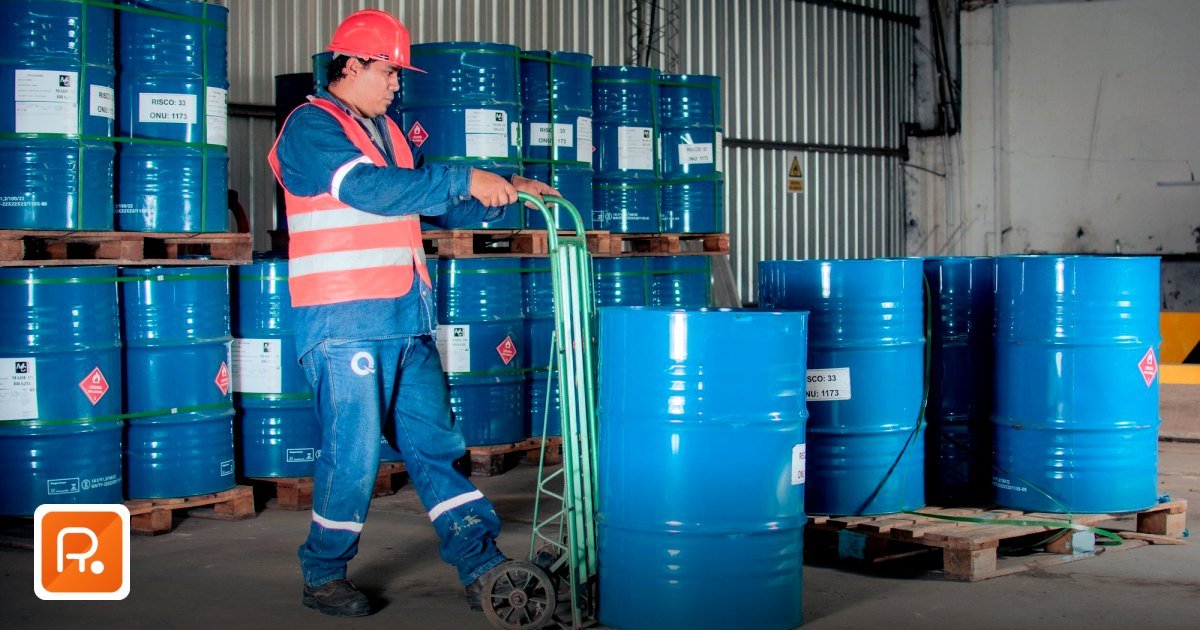
MOQ varies significantly by product category and supplier type. Commodity chemicals (solvents, acids, glycols) are typically available from 200-litre drums upward, with IBC totes (1,000 litres) as the standard B2B unit. Specialty chemicals and blended formulations often carry higher MOQs — sometimes full ISO-tank quantities (18–20 metric tons) for cost-effective pricing. Negotiate blanket order arrangements if your monthly consumption is consistent; most UAE distributors prefer contracted volume to spot orders.
Most established UAE chemical distributors — particularly those based in JAFZA — operate GCC-wide distribution. JAFZA's bonded warehousing and road logistics infrastructure enables delivery into Saudi Arabia via the King Fahd Causeway (for Bahrain), overland into Saudi Arabia, and by sea to Kuwait, Qatar, and Oman. Lead times from JAFZA to major Saudi industrial cities (Jubail, Yanbu) typically run 2–4 days by road freight. H.A.K Industrial Chemicals, for example, explicitly positions its network for multi-market GCC coverage.
Check the supplier's trade license number against the UAE Ministry of Economy business registry. Request ISO 9001 certificates and verify the issuing body's accreditation via the IAF (International Accreditation Forum) database. For hazardous materials, confirm UAE Civil Defence approval is current. For JAFZA-based suppliers, cross-check registration via the JAFZA business directory. Never accept documentation at face value — call the issuing authority to verify. Full methodology: Verifying a UAE Wholesale Supplier in 2026.
Standard GCC tariff on lubricants is 5% on CIF value for non-free-zone imports. Products imported into JAFZA or other UAE free zones are duty-exempt while remaining in the zone. Once moved into onshore UAE for local sale, the 5% duty applies. UAE-India CEPA covers certain lubricant base oil categories at preferential rates — verify the HS code for your specific product against the CEPA tariff schedule. Lubricants manufactured within UAE free zones and sold locally are also subject to the standard 5% on entry to the UAE mainland market.
JAFZA is the most established for chemical distribution with hazmat-ready infrastructure, bonded warehousing, and proximity to Jebel Ali Port. Dubai Industrial City suits blending and manufacturing operations that need large footprints with access to road logistics. Sharjah's Hamriyah Free Zone has lower setup costs and suits SME chemical traders targeting the northern UAE and Sharjah industrial market. The right choice depends on your product classification (hazmat vs. non-hazmat), storage requirements, and target customer geography.
Post your chemical or lubricant sourcing requirement and receive quotes from GCC-based suppliers. Free to list. No intermediary commissions.
Join IbaadU →