In this article
- How big is the UAE laboratory equipment market heading into 2026?
- Which product categories should buyers prioritise?
- What certification and regulatory approvals do suppliers need?
- How do you evaluate and shortlist laboratory equipment suppliers UAE buyers can trust?
- What landed-cost and logistics factors decide the real price?
- Frequently Asked Questions
Procuring high-specification laboratory instruments in the Middle East requires a deep understanding of localised trade frameworks, strict regulatory standards, and evolving market dynamics. As clinical diagnostics, biotechnology research, and industrial testing expand rapidly across the Arabian Gulf, finding reputable laboratory equipment suppliers UAE organisations can partner with has become a strategic priority for procurement managers. The region is transitioning from basic academic research facilities to state-of-the-art diagnostic and automated testing hubs. Navigating this shift demands a structured approach to supplier evaluation, compliance verification, and landed-cost calculation.
Looking ahead to 2026, the scientific landscape in the United Arab Emirates is set for unprecedented transformation, driven by massive national investments in life sciences and industrial localisation. To secure reliable supply chains, procurement professionals must move beyond simple transactional purchasing and establish resilient partnerships with vetted distributors. This comprehensive sourcing guide outlines the critical commercial, regulatory, and logistical considerations necessary to identify, evaluate, and collaborate with leading suppliers, ensuring your laboratory operations remain compliant, efficient, and technologically advanced.
How big is the UAE laboratory equipment market heading into 2026?
The commercial footprint of the scientific sector in the region is experiencing sustained growth. According to Grand View Research, the UAE laboratory equipment market generated USD 220.3 million in revenue in 2023 and is forecast to reach USD 290.4 million by 2030, representing a steady compound annual growth rate (CAGR) of approximately 4% from 2024 to 2030. While the UAE represents roughly 0.7% of the global laboratory equipment market, its strategic importance as a regional gateway and clinical standard-setter far exceeds its direct market share, making it a critical focus area for international manufacturers and local distributors alike.
This steady trajectory is further accelerated by broader regional industrial strategies that will hit their peak between 2026 and 2035. IndexBox estimates that the GCC laboratory automation and workstation segment will achieve a CAGR of 9% to 12% during this period, with demand accelerating rapidly after 2030 as Saudi Vision 2030 and various UAE industrial strategy projects transition from physical construction into active lab commissioning. This shift means procurement managers must secure partnerships with forward-thinking laboratory equipment suppliers UAE buyers can rely on to guarantee long-term access to automated technologies.
Geographically, the UAE serves as the GCC's primary logistics, re-export, and warehousing hub, while Saudi Arabia, Qatar, and Kuwait generate the largest absolute end-demand volumes. This regional growth is heavily propelled by high-profile biotechnology and life-sciences initiatives. Under UAE Vision 2031, biotechnology has been elevated to a national priority, resulting in major infrastructure developments like Dubai Science Park, which is hosting a new Longevity AI Research Laboratory backed by a USD 7 million funding round and scheduled to open in Q4 2026. Furthermore, Dubai Healthcare City's phase-one expansion, valued at AED 1.3 billion (approximately USD 354 million), will establish six medical clusters linked by shared-services infrastructure, drastically increasing the regional demand for advanced analytical and diagnostic instrumentation.
Which product categories should buyers prioritise?
When structuring a procurement strategy, buyers must categorise their requirements to align with regional availability and supply chain complexities. Data from Ken Research indicates that the regional laboratory supply market is segmented into laboratory equipment, which remains the largest sub-segment, followed by disposables, consumables, chemical and reagent suppliers, analytical instruments, and safety equipment. Prioritising these categories based on lead times and regulatory complexity helps prevent project delays and ensures that critical testing workflows remain uninterrupted during peak operational periods.
Automation and high-throughput analytical instruments should receive the highest priority due to the region's shifting focus toward laboratory efficiency and reduced human error. Sourcing from laboratory equipment suppliers UAE procurement managers trust for automation technology ensures that your facility can integrate liquid handlers, automated extractors, and high-performance chromatography systems seamlessly. These advanced systems require specialised installation, software integration, and validation protocols, making the selection of a highly competent technical partner far more important than simply finding the lowest unit price.
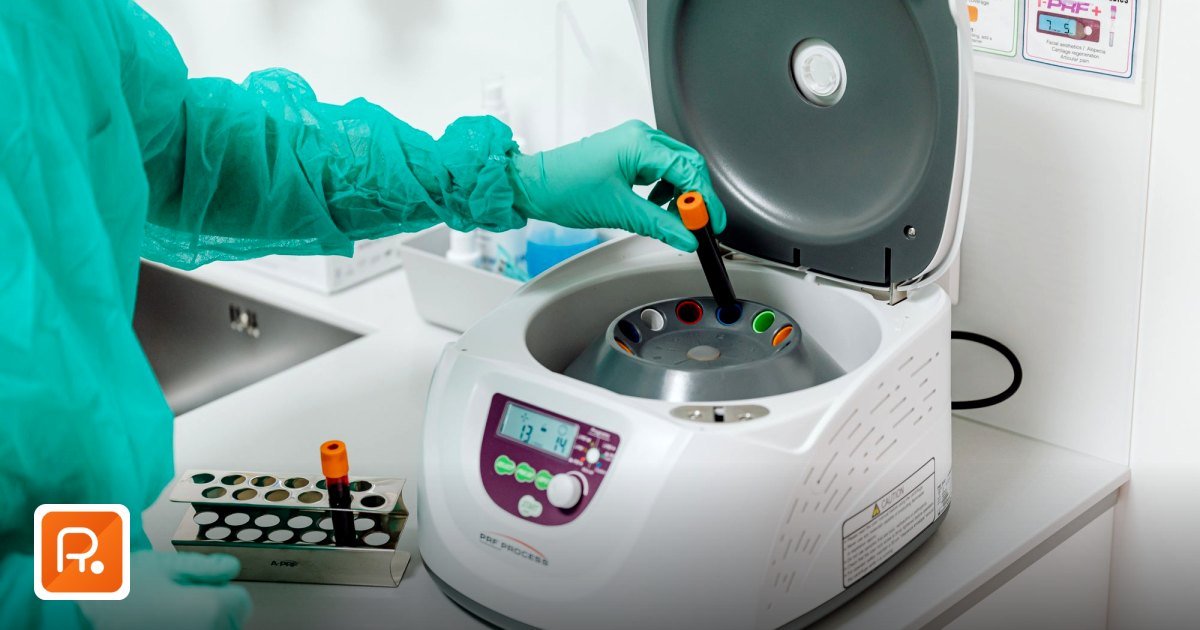
Clinical and diagnostic laboratory devices represent another high-priority segment, driven by the expansion of regional healthcare infrastructure. Buyers sourcing for medical laboratories must coordinate with specialised medical equipment suppliers to source diagnostic analysers, centrifuges, and incubators that meet stringent healthcare standards. Navigating GCC medical device procurement pathways requires an understanding of how clinical equipment differs from standard research tools, particularly regarding patient-safety certifications, calibration frequency, and software compliance with local healthcare regulations. For industrial testing and quality control laboratories, procurement managers should engage with certified industrial equipment suppliers to procure robust materials testing machines and spectrometers.
Source Lab Equipment Direct
Compare verified laboratory, scientific and industrial equipment suppliers across the UAE and GCC — no middlemen.
Browse Suppliers →What certification and regulatory approvals do suppliers need?
Regulatory compliance is the most critical hurdle in scientific procurement. In the UAE, the Ministry of Industry and Advanced Technology (MOIAT) acts as the central authority for industrial standards and conformity, managing the widely recognised Emirates Conformity Assessment Scheme (ECAS/ESMA). Laboratory equipment must undergo rigorous testing by laboratories accredited to ISO/IEC 17025 standards, covering electrical safety, electromagnetic compatibility (EMC), chemical composition, and performance validation before they can be legally cleared for import, sale, or operation in the local market.
For diagnostic and medical laboratory devices, the regulatory pathway is managed by the Ministry of Health and Prevention (MOHAP) via its Drug Control Department. MOHAP operates an official product classification service to determine registration requirements for borderline products. To register a device, the manufacturing site must hold a valid ISO 13485:2016 certificate. Foreign manufacturers cannot register directly; they must appoint a UAE-licensed Authorised Representative or Marketing Authorisation Holder to manage the submission and maintain compliance throughout the product's commercial lifecycle.
Verification of local testing and calibration standards is equally vital. The National Accreditation Department under MOIAT operates the Emirates National Accreditation System (ENAS), which, alongside the Emirates International Accreditation Centre (EIAC), accredit testing and calibration laboratories to ISO/IEC 17025:2017. Buyers must verify that their chosen laboratory equipment suppliers UAE partners utilise accredited facilities for pre-delivery inspection and calibration, ensuring that all calibration certificates carry valid, non-expired accreditation marks from these recognised bodies. Additionally, while the UAE relies on ECAS/ESMA conformity, Saudi Arabia requires a SASO Certificate of Conformity registered through the digital SABER platform, meaning a supplier certified for compliance in one GCC state is not automatically compliant in another.
| Certification / Authority | Regulatory Body | What it Covers | Typical Timeline |
|---|---|---|---|
| ECAS / ESMA Conformity | MOIAT (UAE) | Electrical safety, EMC, and performance validation | 2 - 4 weeks |
| MOHAP Device Registration | Ministry of Health and Prevention | Medical and diagnostic laboratory devices | 3 - 6 months |
| ISO 13485:2016 | Accredited Registrars | Quality management systems for medical device manufacturing | 1 - 3 months |
| ISO/IEC 17025:2017 | ENAS / EIAC | Competence of testing and calibration laboratories | 3 - 6 months |
| SABER / SASO CoC | SASO (Saudi Arabia) | Customs clearance and technical conformity for KSA exports | 1 - 2 weeks |
| MOHAP Site Registration | Ministry of Health and Prevention | Foreign manufacturing facility compliance and registration | 6 - 12 months |
How do you evaluate and shortlist laboratory equipment suppliers UAE buyers can trust?
Shortlisting the right distribution partner requires systematic due diligence that goes beyond reviewing product catalogues. Procurement teams must actively verify suppliers in Dubai and the wider Emirates by checking active trade licences, physical warehousing capabilities, and official manufacturer authorisation letters. Working with unauthorised sub-distributors introduces severe risks, including counterfeit parts, invalidated factory warranties, and a total lack of direct technical support from the original equipment manufacturer (OEM), which can compromise the integrity of critical research data.
Technical support infrastructure is a non-negotiable criterion when evaluating laboratory equipment suppliers UAE procurement officers shortlist. High-precision analytical tools require regular preventative maintenance and emergency repairs. Buyers should demand proof of in-house, factory-trained service engineers who hold valid certifications for the specific equipment models being procured. Additionally, verify whether the supplier maintains a local inventory of critical spare parts in the UAE, which can reduce emergency repair turnaround times from weeks to hours and ensure continuous laboratory operations.
A supplier's track record with complex, high-value laboratory installations is a strong indicator of their operational reliability. When sourcing for major projects like the Dubai Science Park expansion or Dubai Healthcare City's medical clusters, request detailed case studies and contactable references. A reliable distributor should be able to demonstrate successful installations of complex HVAC-integrated fume cupboards, cleanroom environments, or heavy-duty laboratory casework, showing they understand the structural, electrical, and plumbing integrations required for modern scientific facilities.
What landed-cost and logistics factors decide the real price?
The initial purchase price of scientific instrumentation represents only a fraction of the total cost of ownership. Procurement managers must conduct a detailed landed-cost analysis that accounts for international freight, marine insurance, local customs duties, and inland transport. In the GCC, standard customs duties are typically 5%, though exemptions may apply for specific medical or educational imports. Failing to account for port handling fees, customs brokerage charges, and delivery to remote desert testing sites can lead to significant budget overruns.
Cold chain logistics and sensitive cargo handling represent major cost drivers for scientific laboratories. Reagents, calibration standards, and high-precision optical components require climate-controlled transport and storage to prevent degradation. The leading laboratory equipment suppliers UAE laboratories work with maintain specialised cold-chain logistics agreements, utilising temperature-monitored vehicles and validated packaging. Buyers must confirm that these specialised logistics costs are clearly detailed in the commercial proposal to avoid unexpected surcharges upon delivery.
Installation, calibration, and operational qualification (IQ/OQ/PQ) are essential services that must be factored into the final contract. Scientific equipment cannot simply be unboxed and plugged in; it requires precise calibration by certified technicians using accredited reference materials. Ensure that the supplier's quotation explicitly includes these commissioning services, along with comprehensive user training for your laboratory staff. Excluding these services from the initial purchase order often results in expensive post-delivery service charges that delay laboratory accreditation.
| Cost Component | Typical Share of Landed Cost | Buyer Note |
|---|---|---|
| Ex-Works Equipment Cost | 65% - 75% | Base manufacturing price of the analytical or diagnostic instrument |
| International Freight & Insurance | 5% - 12% | Higher for heavy casework, sensitive optics, or temperature-controlled reagents |
| Customs Duties & Clearance | 5% - 7% | Standard GCC customs tariff is 5%; medical exemptions may apply under specific conditions |
| Last-Mile Delivery & Rigging | 2% - 5% | Includes specialised positioning, crane lifting, or cleanroom transport |
| Commissioning & Training | 3% - 8% | Vendor engineer fees for installation, validation (IQ/OQ/PQ), and staff onboarding |
| Year-1 Maintenance & Warranty | Included in purchase | Crucial to secure comprehensive coverage for high-use clinical or industrial labs |
Frequently Asked Questions
Why source laboratory equipment through a UAE-based distributor?
Sourcing through UAE-based distributors provides GCC buyers with rapid access to localised inventory, manufacturer-certified technical support, and expert regulatory guidance. UAE-based distributors act as the primary logistics and re-export hub for the region, ensuring shorter lead times, reliable cold-chain management for sensitive reagents, and efficient handling of cross-border customs requirements into Saudi Arabia, Qatar, and Kuwait.
What is the difference between ESMA/ECAS and MOHAP registration?
ESMA/ECAS is the standard conformity scheme managed by MOIAT, covering general laboratory equipment, electrical safety, and electromagnetic compatibility. In contrast, MOHAP registration is specifically required for medical and diagnostic laboratory devices. MOHAP registration involves strict manufacturing-site audits, ISO 13485:2016 verification, and the appointment of a UAE-licensed Authorised Representative, making it a more complex and lengthy regulatory process.
How do I verify a laboratory equipment supplier in the UAE?
When vetting laboratory equipment suppliers UAE procurement officers should request active commercial trade licences, official manufacturer authorisation letters (LOAs), and proof of ISO certifications. Additionally, buyers should inspect the supplier's physical warehousing capabilities, verify that their calibration technicians are certified by ENAS or EIAC, and request reference lists from major regional diagnostic or industrial projects.
Can UAE-based laboratory equipment suppliers ship to Saudi Arabia?
Yes, UAE-based suppliers regularly export to Saudi Arabia, but they must comply with Saudi-specific regulations. This includes registering products on the SABER platform and obtaining a SASO Certificate of Conformity. Because regulatory approvals are not automatically shared across GCC borders, buyers must ensure their chosen supplier has direct experience navigating Saudi customs and SASO compliance standards.
What certifications should I check for calibration laboratory equipment?
When procuring calibration equipment, ensure the supplier's calibration laboratory is accredited to the ISO/IEC 17025:2017 standard. In the UAE, this accreditation must be issued by the National Accreditation Department under MOIAT (operating ENAS) or the Emirates International Accreditation Centre (EIAC). Always check the validity and expiry date of the accreditation certificate before finalizing your contract.
How does Dubai Science Park's growth affect laboratory equipment procurement in the UAE?
The expansion of Dubai Science Park, including the upcoming Longevity AI Research Laboratory in Q4 2026, is driving massive regional demand for advanced biotechnology and automated instruments. This growth encourages top-tier laboratory equipment suppliers UAE buyers work with to maintain larger local inventories, expand their technical support teams, and introduce cutting-edge laboratory automation systems to the local market.
Conclusion
Navigating the complex landscape of scientific procurement in the GCC requires a strategic, data-driven approach that balances strict regulatory compliance with rigorous financial analysis. As the UAE continues to invest heavily in biotechnology, medical research, and industrial localisation through initiatives like Dubai Science Park and Dubai Healthcare City, partnering with the right laboratory equipment suppliers UAE has to offer is key to operational success. By verifying supplier credentials, ensuring compliance with MOIAT, ENAS, and MOHAP standards, and conducting comprehensive landed-cost calculations, procurement managers can secure resilient, high-performing supply chains. For businesses looking to streamline this process, utilising B2B digital marketplaces like ibaadu provides a direct, transparent path to connect with distributors, compare competitive quotations, and secure the advanced scientific instrumentation needed to drive innovation across the Middle East.