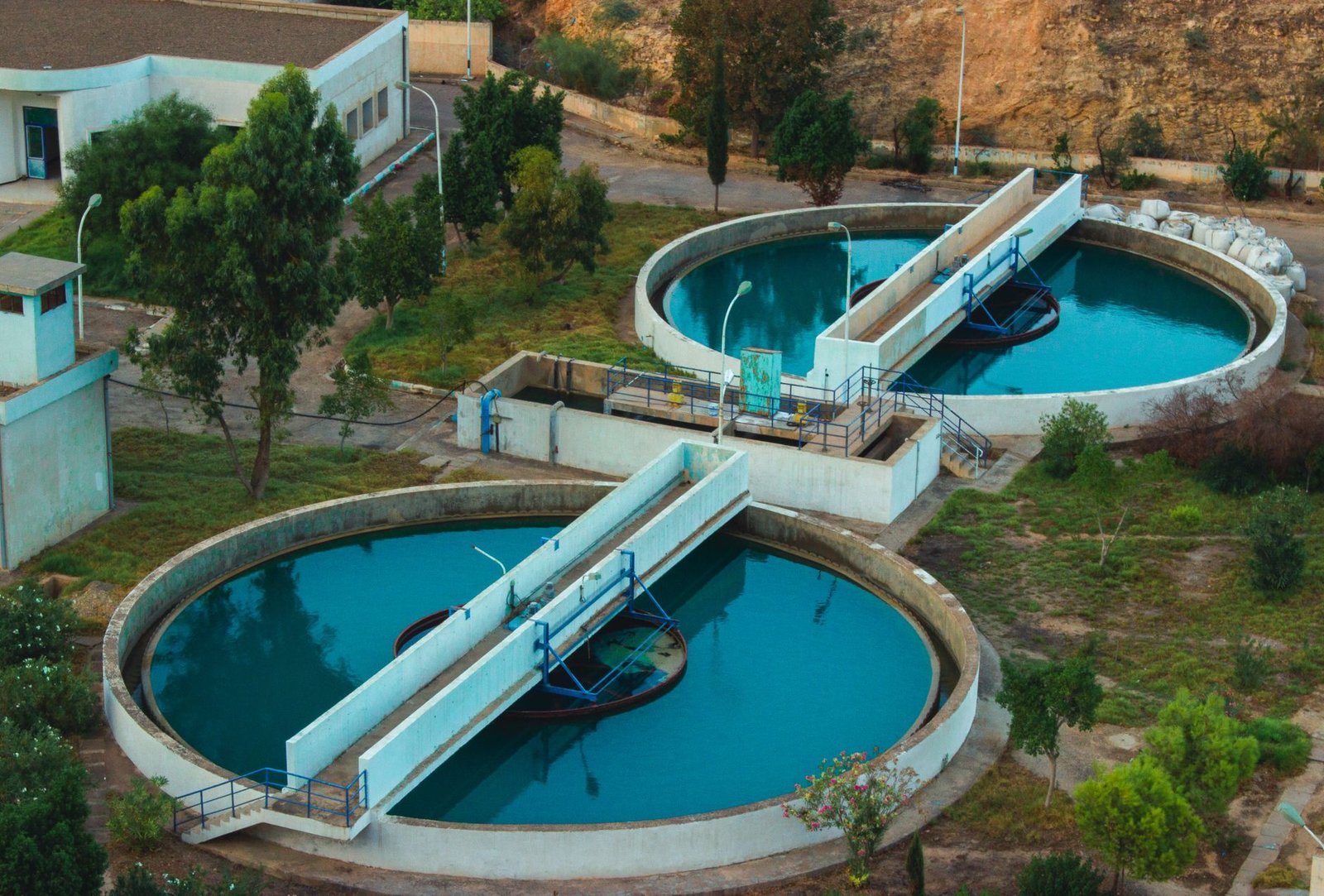
Water Treatment Chemicals & Testing Equipment Wholesale Suppliers UAE & GCC — B2B Guide 2026
The GCC's water treatment chemicals market reached USD 315 million in 2024, and the broader Middle East sector is heading to USD 5.66 billion by 2033. With the UAE sourcing over 90% of its potable water from desalination, chemical treatment is structural — not optional. This guide covers every B2B procurement category, named UAE and GCC suppliers, and the compliance steps that matter now.
What Are the Main Water Treatment Chemicals Sourced by B2B Buyers in the UAE and GCC?
B2B buyers in the UAE and GCC primarily source coagulants (alum, ferric chloride, PAC), flocculants, disinfectants (sodium hypochlorite, chlorine gas), and pH-adjustment chemicals for water and wastewater treatment plants. Calibrated testing equipment — turbidity meters, pH analysers, TDS meters — accompanies each procurement cycle to meet Abu Dhabi's 2026 Water Quality Regulations.
Why Water Treatment Chemicals Are a Critical B2B Category in the GCC
No other region runs on engineered water quite like the GCC. The UAE extracts virtually no usable groundwater at scale. Desalination — multi-stage flash (MSF) and reverse osmosis (RO) — fills the gap, with the GCC collectively operating more than 50 million m³ per day of capacity. Every cubic metre passes through chemical treatment: antiscalants to prevent membrane fouling, biocides to control microbial growth, coagulants to clarify feed water, pH chemicals to protect equipment. A facility that cuts its chemical feed does not produce slightly worse water — it risks regulatory breach and plant damage within days.
The Middle East water treatment chemicals market was valued at USD 3.25 billion in 2025 and is projected to reach USD 5.66 billion by 2033 at a CAGR of 7.2%. Within that, the UAE market sits at USD 253.43 million (2024), growing to an estimated USD 284 million by 2030. The GCC-specific water and wastewater treatment chemicals segment is on an 18.2% CAGR trajectory for 2025–2030, driven by new industrial zone development, wastewater reuse mandates, and strengthened regulatory standards. On the testing side, the GCC bottled water testing equipment market alone was USD 158.7 million in 2025, heading to USD 247.2 million by 2034 at a CAGR of 4.9%.
Whether you are procuring for a hotel group, food processing facility, construction camp supply, industrial free zone, or a municipal contractor, water treatment chemicals and quality testing instruments form a non-negotiable, recurring B2B category across the GCC.
Key Water Treatment Chemical Categories for B2B Buyers
Coagulants and Flocculants
Coagulants neutralise the electrostatic charge on suspended particles — colloidal clay, organic matter, biological material — so they aggregate and can be removed. Common options in the GCC market include aluminium sulphate (alum), ferric chloride, ferric sulphate, and poly aluminium chloride (PAC). PAC has become dominant for large-volume applications because it performs well across a wider pH range and produces less sludge than conventional alum.
Flocculants — typically high-molecular-weight polyelectrolytes in anionic, cationic, or non-ionic grades — follow coagulation. They bridge micro-aggregates into larger, settleable flocs. Buyers procuring at scale should request jar-test data from suppliers to confirm the correct dosage and product grade for their raw-water quality, since dosage errors in either direction raise costs rapidly.
Disinfection Chemicals
Disinfection is mandated at every potable water distribution point in the UAE. Chlorine — as liquid sodium hypochlorite or gaseous chlorine — is most widely used for its residual effect in distribution networks. Where chlorine by-products (trihalomethanes) are a concern, alternatives include chlorine dioxide, ozone, hydrogen peroxide, and UV treatment. For industrial applications — cooling towers, boiler systems, food-processing rinse water — biocide programmes combine non-oxidising biocides with oxidising agents and dispersants to manage biofilm, Legionella risk, and scale simultaneously.
Antiscalants, Corrosion Inhibitors, and Specialty Chemicals
For desalination and RO plants, antiscalants are the highest-value chemical per litre treated. They prevent calcium carbonate, calcium sulphate, silica, and barium sulphate scale from depositing on RO membranes or MSF heat exchanger surfaces — without them, a plant can see irreversible membrane fouling within weeks. Corrosion inhibitors (film-forming amines, phosphonates, azole-based inhibitors) protect pipework and tank metal from oxidative attack. Sulphuric or hydrochloric acid lowers pH ahead of RO; sodium hydroxide raises it for remineralisation; antifoaming agents manage aeration processes. RO membrane cleaning (CIP) uses proprietary acid and alkaline formulations procured alongside a service contract at larger facilities.
Water Quality Testing Equipment — What B2B Buyers Are Sourcing
Abu Dhabi's Water Quality Regulations 2025, in force from January 2026, require mandatory Drinking Water Safety Plans for all licensed suppliers. The practical result: every organisation handling potable water now needs documented, traceable testing records — which drives instrument procurement across four categories.
Portable and Benchtop Multiparameter Meters
The first purchase for most facilities is a handheld or benchtop multiparameter instrument covering pH, conductivity, total dissolved solids (TDS), dissolved oxygen, and oxidation-reduction potential (ORP). Brands like Hach, YSI, Horiba, and WTW are widely available through UAE distributors. For field-service teams covering multiple sites, IP67-rated portable kits with Bluetooth data logging are increasingly specified to satisfy audit trail requirements.
Online and Inline Monitoring Systems
Continuous monitoring is the direction of all UAE and GCC regulatory frameworks. Online residual chlorine analysers, turbidity monitors, and pH transmitters installed directly in pipework generate real-time data feeds for SCADA systems and compliance dashboards. Entry costs run USD 2,000–8,000 per parameter per monitoring point, but the audit trail they produce is now a compliance necessity for licensed water suppliers in Abu Dhabi and distribution network operators in Dubai.
Residual Chlorine, Turbidity, and Microbiological Kits
Residual chlorine and turbidity are the two parameters most consistently mandated in UAE and GCC drinking water standards. Amperometric and colorimetric residual chlorine analysers from suppliers like Hach MENA cover the range from pool monitoring up to desalination plant discharge verification. Turbidity, measured in NTU, drives demand for both online nephelometers and portable meters for spot checks. For microbiological verification — total coliforms, E. coli, Legionella, heterotrophic plate counts — membrane filtration kits, ATP bioluminescence testers, and culture-media systems serve the daily on-site role, while third-party accredited laboratory testing satisfies regulatory reporting requirements for bottled water and food-grade water users.
Leading Water Treatment Chemical Suppliers in the UAE
The UAE market mixes manufacturer-distributors and import-focused trading houses. These are the most visible verified suppliers for wholesale B2B procurement in 2026.
Chemway Chemicals (chemwaychemicals.com) has been supplying UAE water works for over 20 years with disinfectants, coagulants, flocculants, oxidising agents, and bleaching agents — one of the most comprehensive single-source options for buyers who want to consolidate chemical purchasing.
MEA Water (meawater.ae) focuses on coagulants and flocculants for industrial and municipal suspended-solid removal across the UAE and GCC, with technical application support alongside its distribution network.
OCET Gulf (ocetgulf.com) carries the full disinfection and coagulation range: sodium hypochlorite, chlorine dioxide, ozone generation chemicals, hydrogen peroxide, alum, ferric chloride, and PAC — suited to facilities with complex multi-stage treatment trains.
GREENWTS (greenwts.com) operates as a GCC-wide chemical trading supplier with physical distribution across UAE, Oman, Bahrain, Qatar, Kuwait, Saudi Arabia, and Djibouti. For buyers running multi-country procurement from a single contract, their cross-GCC reach is a genuine differentiator.
Water Bird WTC (waterbirdwtc.com) specialises in treatment programmes for cooling towers, boilers, RO plants, and swimming pools, combining chemical supply with dosing guidance and technical support — useful for facilities that want chemical management as a service rather than straight product supply.
EfloChem (eflochem.com) is a UAE-based chemical manufacturer rather than a distributor, covering water treatment and process water applications across MENA. Domestic manufacturing enables faster lead times and custom blends for specific raw-water profiles.
Before issuing any purchase order, verify supplier credentials, compliance certificates, and product registrations. See our guide to verifying UAE wholesale suppliers in 2026.
Water Quality Testing Equipment Suppliers in UAE & GCC
The UAE market is served by specialist distributors representing global instrument brands, providing local calibration, service contracts, and spare-parts support — which is significant given the extreme operating temperatures and humidity the equipment must withstand.
Advance Analytik (advanceanalytik.com) supplies high-accuracy water quality analysers across Dubai, Abu Dhabi, and the northern emirates, with specific emphasis on MOCCAE-compliant instrumentation for desalination, wastewater treatment, and industrial monitoring.
Hach MENA (mena.hach.com) is the regional arm of one of the world's largest water quality instrument manufacturers. Their portfolio runs from handheld colorimetric analysers to Claros-connected online monitoring systems and is widely accepted in UAE utility laboratory specifications.
Aqua Flair UAE (aquaflairuae.com) covers industrial water quality meters — pH, TDS, conductivity, multiparameter digital instruments — at price points accessible to SME buyers and facilities teams who need reliable field instruments without enterprise-level budgets.
Pentagram Scientific (pentagramuae.com) offers a broad portfolio of analytical and laboratory instruments serving the GCC across water testing, environmental, food and beverage, and petrochemical sectors — useful for buyers consolidating laboratory procurement across disciplines.
Apex Instrument (apexinstrument.me) focuses on water testing equipment supply in the UAE: portable meters, test kits, and specialised parameter instruments for environmental and industrial applications.
Caresource Global (caresourceglobal.com) distributes laboratory equipment including water analysis instruments across UAE, GCC, and internationally, covering drinking water test kits, microbiological testing instruments, and reagent sets for one-stop laboratory procurement.
For the capital-equipment side of water treatment — RO units, filters, desalination hardware — see our GCC water treatment equipment procurement guide. For industrial chemicals procurement more broadly, see industrial chemicals and lubricants wholesale in UAE and GCC.
Regulatory Framework — What Every B2B Buyer Must Know in 2026
Compliance is not optional. Incorrect chemical supply or inadequate testing can trigger public health enforcement, permit revocation, and civil liability — making supplier documentation non-negotiable before procurement.
At the federal level, the Ministry of Climate Change and Environment (MOCCAE) sets UAE water quality standards and chemical safety frameworks. Emirate-level enforcement falls to DEWA (Dubai) and ADDC (Abu Dhabi), which audit the supply chain in their respective jurisdictions through regular inspections.
The significant development for 2026 is the Abu Dhabi Department of Energy's Water Quality Regulations 2025, which came into force on January 1, 2026. These regulations require all licensed water suppliers in Abu Dhabi to maintain Drinking Water Safety Plans — systematic frameworks covering documented chemical treatment protocols, testing schedules with calibrated instruments, and incident-response procedures. For procurement teams, this directly requires traceable, certified products and calibration-documented instruments with full service records.
For chemicals used in potable water systems, request: ESMA registration or equivalent approval documents; Safety Data Sheets (SDS/MSDS) in English and Arabic; country-of-origin certification. For testing instruments, request calibration certificates traceable to national standards bodies and active service/warranty agreements — these are increasingly mandated in government and utility tender documentation. For the broader trade policy context, see our UAE CEPA procurement opportunities guide.
B2B Procurement Tips — Sourcing in the GCC in 2026
Account for shelf life in your ordering cycle. Liquid sodium hypochlorite degrades at roughly 1% per day at 25°C — faster in UAE summer. Large-volume drums ordered without matching turnover rate means partially degraded product on delivery. Request concentration certificates with each batch and factor ambient temperatures into safety stock calculations.
Match instruments to your actual monitoring obligation before specifying. A portable pH meter will not satisfy a continuous-monitoring requirement under the Abu Dhabi DoE regulations. Map which parameters require online continuous monitoring, which need daily sampling, and which need periodic third-party verification — then specify instruments that match each tier. Instrument cost scales sharply from portable to online to SCADA-integrated.
Confirm multi-country distribution reach at contract stage. If your organisation operates across the GCC — UAE, Saudi Arabia, Kuwait, Qatar — verify that your chosen supplier has physical or third-party distribution in each market before signing. Emergency spot procurement across GCC borders for hazardous chemicals is expensive. GREENWTS's seven-country network, for example, is specifically structured for cross-GCC procurement contracts.
For structured bulk procurement in the region, see the PRQ guide to bulk sourcing in the Middle East. For pharma-grade water chemical procurement serving hospitals or pharmaceutical production, our GCC pharmaceutical procurement guide covers the additional compliance layer. For GCC food production facilities where water quality directly affects product safety, see the GCC food security and agri-procurement guide.
Source Verified B2B Suppliers on IbaadU — Browse vetted water treatment chemical suppliers and testing equipment distributors with verified credentials, product catalogues, and GCC distribution coverage.
Browse Suppliers on IbaadUFAQ — Water Treatment Chemicals & Testing Equipment Wholesale UAE GCC
What are the main water treatment chemicals used in UAE desalination plants?
UAE desalination plants — both MSF and RO — rely on antiscalants, corrosion inhibitors, biocides, coagulants, pH-adjustment acids and caustics, and antifoaming agents. RO systems additionally require membrane cleaning chemicals (CIP chemicals) to maintain flux and rejection rates. The specific selection depends on feed-water chemistry, operating temperature, and recovery rate.
Do I need MOCCAE approval to import water treatment chemicals to the UAE?
Chemicals intended for potable water contact require ESMA registration and approval under federal and emirate-level frameworks. MOCCAE sets federal standards; DEWA (Dubai) and ADDC (Abu Dhabi) enforce at the utility level. Obtain Safety Data Sheets before importation. Chemicals for non-potable industrial use have a separate but still-regulated approval pathway.
What is the difference between coagulants and flocculants in water treatment?
Coagulants — alum, ferric chloride, PAC — neutralise the charge on suspended particles so they clump. Flocculants (polyelectrolytes) bind those clumps into larger, settleable flocs. Both are used sequentially in clarification ahead of filtration. Request jar-test data from prospective suppliers to confirm the correct product grade and dosage for your raw-water quality.
Which water quality testing equipment is required for Abu Dhabi DoE and DEWA compliance?
Abu Dhabi's Water Quality Regulations 2025 (in force January 2026) require continuous monitoring for residual chlorine, turbidity, pH, and microbial indicators. Online analysers, multiparameter probes, and calibrated portable meters for spot-check sampling are the standard procurement set. DEWA has analogous monitoring requirements for Dubai distribution network operators.
How do I find verified wholesale suppliers for water treatment chemicals in the GCC?
Use a verified B2B marketplace like IbaadU to browse supplier profiles with credentials and product catalogues. Always request ISO 9001 certificates, ESMA or equivalent registration documents, and product Safety Data Sheets before issuing a purchase order. For additional due-diligence steps, see our UAE wholesale supplier verification guide.
What is the typical MOQ for bulk water treatment chemical procurement in the UAE?
Liquid coagulants and flocculants are commonly available from 200-litre drums upward; solid chemicals such as granular alum start at 25 kg bags. Large industrial or municipal contracts move in IBC or road-tanker volumes. Specialty biocides and antiscalants typically start from 20–50 litres. Negotiate firm lead times and confirm cold-chain or hazmat transport requirements at order stage.
Join IbaadU — Connect with verified GCC B2B suppliers for water treatment chemicals, testing instruments, and industrial equipment. Free to browse; no placement fee.
Join IbaadU Free